- Location
- North Dakota
- Current protection
- Mostly private land in Pierce County
- Status
- No active campaign
- Tier
- Tier 3 · Smaller national site
- In the book
- Not featured in Undiscovered America
Why should it be a National Park?
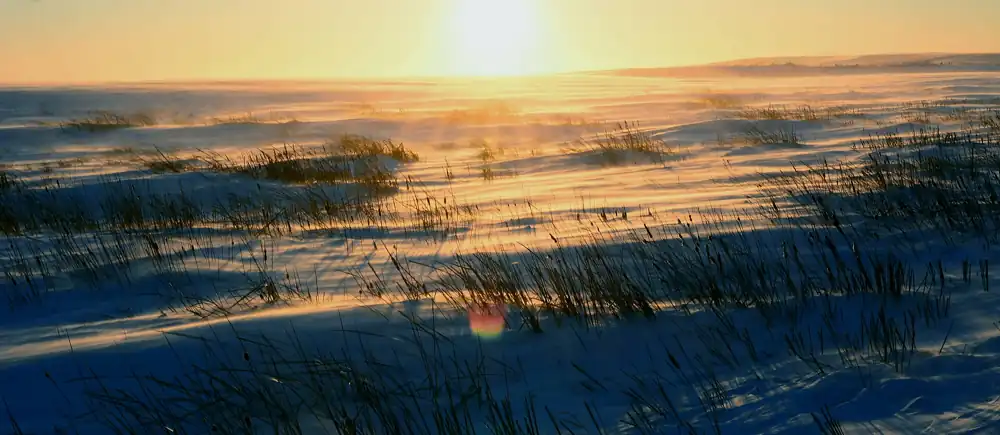
The glaciers left North Dakota pocked with thousands of small wetlands, the prairie potholes, which produce a large share of North America's ducks each spring. In the Antelope Hills of Pierce County, blocks of native prairie survive among them.
No National Park yet protects the prairie pothole country. It is one of the great wildlife landscapes of the continent.
The history of National Park Campaigns
After Director George Hartzog wrote in 1966 that the Park Service was looking for a new prairie park, North Dakotans pressed for the Antelope Hills through Sen. Quentin Burdick. A park planner and a botanist evaluated about 25,000 to 30,000 acres in 1968 and found fine native prairie too fragmented for a park, suggesting the name Pothole Prairie National Park if the Service ever went ahead.
- Distinct National Park attempts
- 1 (1966–68 evaluation)
- Other designation attempts
- 0
Sources
- H. Raymond Gregg, Evaluation of the Antelope Hills as a Potential Prairie National Park (NPS, 1968)
- Wikipedia, List of proposed National Parks of the United States
- July 1966
Director George B. Hartzog Jr. writes in National Geographic that the Service is seeking a prairie National Park.
- 1966–1968
North Dakotans press for the Antelope Hills through Sen. Quentin Burdick.
- August 23–24, 1968
Planner H. Raymond Gregg and botanist Robert L. Burgess examine 25,000 to 30,000 acres around the Antelope Lakes.
- 1968
Gregg finds the prairie too fragmented, suggests the name Pothole Prairie National Park, and recommends the state or The Nature Conservancy instead.