- Location
- Florida
- Current protection
- Torreya State Park; Apalachicola National Forest
- Status
- No active campaign
- Tier
- Tier 3 · Smaller national site
- In the book
- Not featured in Undiscovered America
Why should it be a National Park?
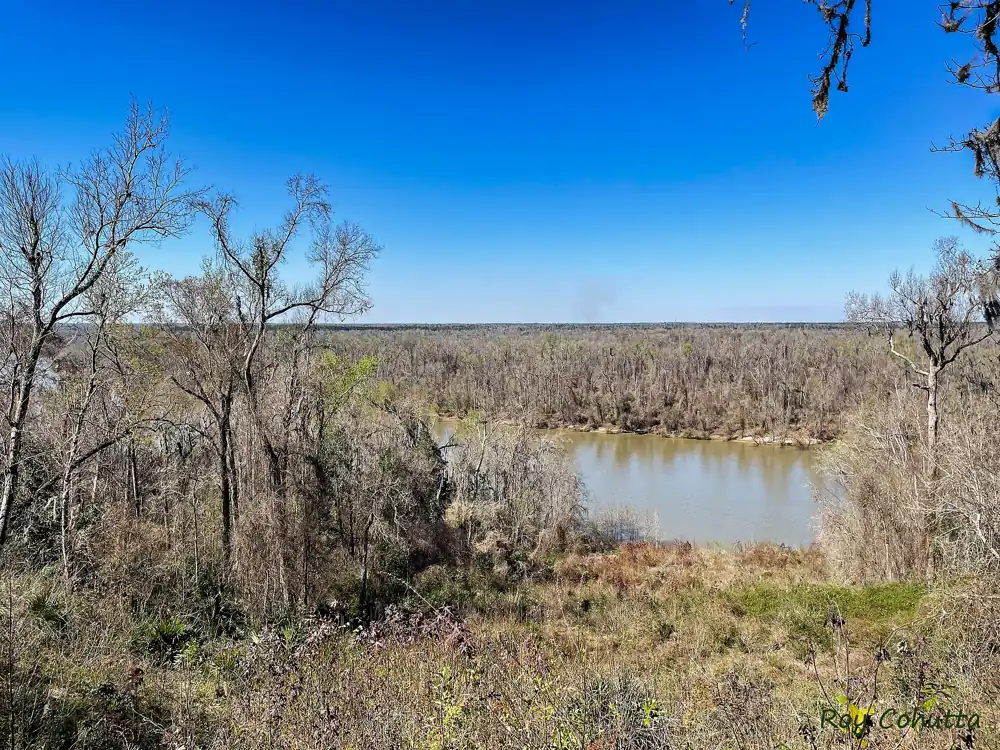
On the east bank of the Apalachicola River, steep bluffs and cool ravines hold plants left behind by the Ice Age, among them the Florida torreya, one of the rarest conifers in the world, and the Florida yew. It is a pocket of the Appalachians stranded in the Florida Panhandle.
The Apalachicola basin is one of the most biologically rich places in North America. A National Park would give the ravines and the river they drain the standing they have earned.
The history of National Park Campaigns
In 1934 a Florida resident asked, through his congressman, that 50 square miles between Blountstown and the Georgia line be set aside to preserve the area's unusual trees and land formations. The Park Service replied the next year that a Civilian Conservation Corps camp in Torreya State Forest Park had preservation covered, and Apalachicola National Forest followed in 1936.
- Distinct National Park attempts
- 1 (1934–35 suggestion)
- Other designation attempts
- 2 (state park; 1936 national forest)
Sources
- National Park Service, Suggested Areas Resumes (1957)
- Wikipedia, List of proposed National Parks of the United States
- July 1934
Rep. Millard Caldwell forwards a letter from T. D. Branch of Sumatra, Florida, suggesting 50 square miles be set aside for their rare trees, plants, and landforms.
- April 1935
The Park Service director tells Sen. Duncan U. Fletcher that a CCC camp at Torreya State Forest Park has the Torreya tree adequately protected.
- May 13, 1936
Apalachicola National Forest is established.
- Today
Torreya State Park covers the best part of the suggested area.