- Location
- Montana
- Current protection
- Flathead National Forest; the Bob Marshall and Mission Mountains wildernesses; the Mission Mountains Tribal Wilderness
- Status
- No active campaign
- Tier
- Tier 2 · National Monument
- In the book
- Not featured in Undiscovered America
Why should it be a National Park?
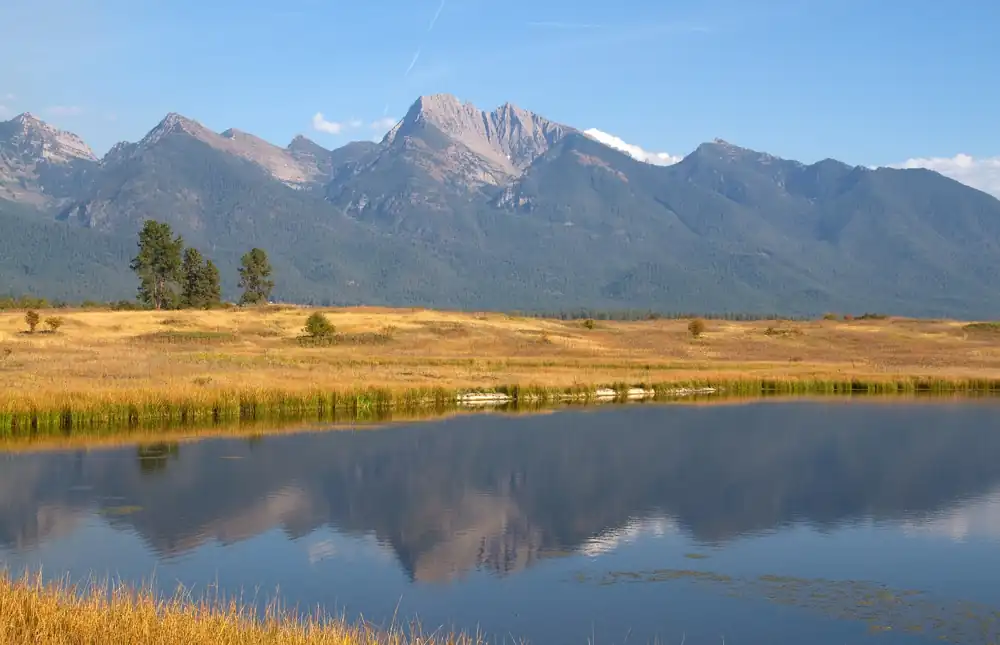
East of Flathead Lake, the Mission Range rises straight out of the valley floor to glaciers and jagged peaks, and beyond it the Swan Range and the Bob Marshall country roll on for a million acres of some of the wildest land in the lower 48.
The Park Service studied this country as carefully as any it ever considered. It is still wild, and it still deserves the title.
The history of National Park Campaigns
In 1930, J. L. Jones of the Ronan Commercial Club proposed a Flathead National Park of more than a million acres east of Flathead Lake. In 1937 the Park Service sent a two-week field party, among the most thorough investigations of any proposed park. Its verdict in 1938 was that the region was beautiful but not as spectacular as Glacier.
- Distinct National Park attempts
- 1 (1930–38)
- Other designation attempts
- 3 (1964 and 1975 wildernesses; tribal wilderness)
Sources
- Lary M. Dilsaver and William Wyckoff, "Failed National Parks in the Last Best Place," Montana 59:3 (2009)
- Wikipedia, List of proposed National Parks of the United States
- 1930
J. L. Jones of the Ronan Commercial Club proposes a Flathead National Park of more than 1,000,000 acres.
- Summer 1937
Forester Frank Childs, geologist Carroll Wegemann, and biologist Adolph Murie spend two weeks surveying the region.
- May 1938
The Service concludes the region is scenically beautiful but not as spectacular as Glacier National Park.
- 1964
The Bob Marshall Wilderness is designated.
- 1975
The Mission Mountains Wilderness is designated; the Confederated Salish and Kootenai Tribes later protect the range's west side as a tribal wilderness.