- Location
- Montana
- Current protection
- Bureau of Land Management lands beside Charles M. Russell National Wildlife Refuge
- Status
- No active campaign
- Tier
- Tier 2 · National Monument
- In the book
- Not featured in Undiscovered America
Why should it be a National Park?
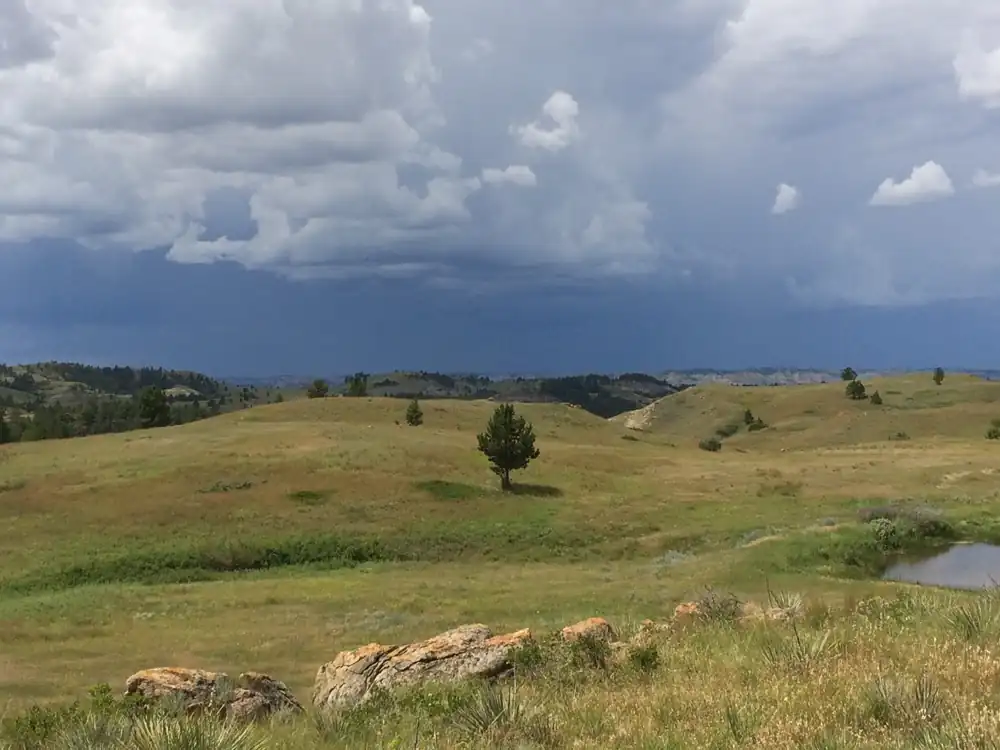
North-central Montana holds one of the largest remaining expanses of intact grassland on the continent, rolling mixed-grass prairie and sagebrush running to the Missouri River breaks, where pronghorn, sage grouse, prairie dogs, and swift foxes still live in numbers.
Grasslands are among the least protected landscapes in America, and bison once crossed these plains by the millions. A prairie park at this scale would be the great plains park people have imagined for generations.
The history of National Park Campaigns
In 2010, a leaked Interior Department paper listed Montana's Northern Prairie, about 2.5 million acres of federal grassland, among 14 places that were good candidates for a national monument. No designation followed. The idea of a great prairie reserve lives on privately: American Prairie has spent two decades assembling land and leases next to Charles M. Russell National Wildlife Refuge to bring bison back to the plains.
- Distinct National Park attempts
- 0
- Other designation attempts
- 1 (2010 prospective monument)
Sources
- U.S. Department of the Interior, "Prospective Conservation Designation: National Monument Designations under the Antiquities Act" (2010)
- Society of Environmental Journalists, "BLM Paper on National Monuments, Other Conservation Units Unveiled" (2010)
- Wikipedia, List of proposed national monuments of the United States
- 1936
Franklin Roosevelt establishes the Fort Peck Game Range, later Charles M. Russell National Wildlife Refuge.
- 2001
The Upper Missouri River Breaks National Monument is proclaimed upriver, and American Prairie begins assembling a private reserve.
- 2010
An Interior Department paper lists Montana's Northern Prairie, about 2.5 million acres, among 14 prospective national monuments.