- Location
- Alaska
- Current protection
- Admiralty Island National Monument and Kootznoowoo Wilderness (U.S. Forest Service)
- Status
- No active campaign
- Tier
- Tier 2 · National Monument
- In the book
- Not featured in Undiscovered America
Why should it be a National Park?
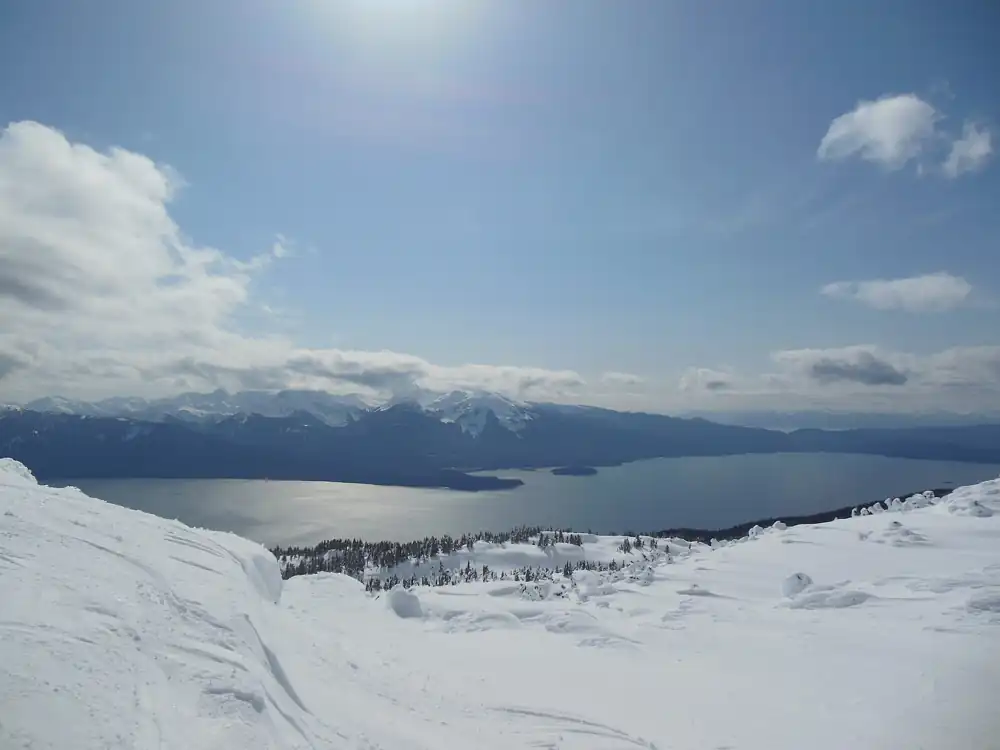
Admiralty Island has one of the densest populations of brown bears on Earth, roughly one for every square mile, and one of the largest concentrations of nesting bald eagles anywhere. The Tlingit name, Kootznoowoo, means fortress of the bears.
It is nearly a million acres of old-growth rainforest a short flight from Juneau, and the Park Service wanted it for decades. It deserves to stand with Glacier Bay.
The history of National Park Campaigns
Admiralty Island was proposed as a National Park to protect its brown bears as early as 1928. Park Service officials inspected it in 1932, 1938, and 1942, and the idea came back again and again through 1962. Carter proclaimed a national monument in 1978, and Congress kept it with the Forest Service in 1980.
- Distinct National Park attempts
- 1 (1928–1962 proposals)
- Other designation attempts
- 2 (1978 monument; 1980 wilderness)
Sources
- G. Frank Williss, "Do Things Right the First Time": The National Park Service and the Alaska National Interest Lands Conservation Act of 1980 (NPS, 1985)
- Wikipedia, List of proposed National Parks of the United States
- 1928
First proposed as a National Park to protect the island's brown bears.
- 1932–1942
Park Service officials inspect the island in 1932, 1938, and 1942.
- 1947–1962
The park question is raised again in 1947, 1948, 1950, 1955, and 1962.
- December 1, 1978
Carter proclaims Admiralty Island National Monument under Forest Service management.
- December 2, 1980
The Alaska National Interest Lands Conservation Act confirms the monument and designates most of it the Kootznoowoo Wilderness.