- Location
- Alaska
- Current protection
- Arctic National Wildlife Refuge (U.S. Fish and Wildlife Service)
- Status
- No active campaign
- Tier
- Tier 2 · National Monument
- In the book
- Not featured in Undiscovered America
Why should it be a National Park?
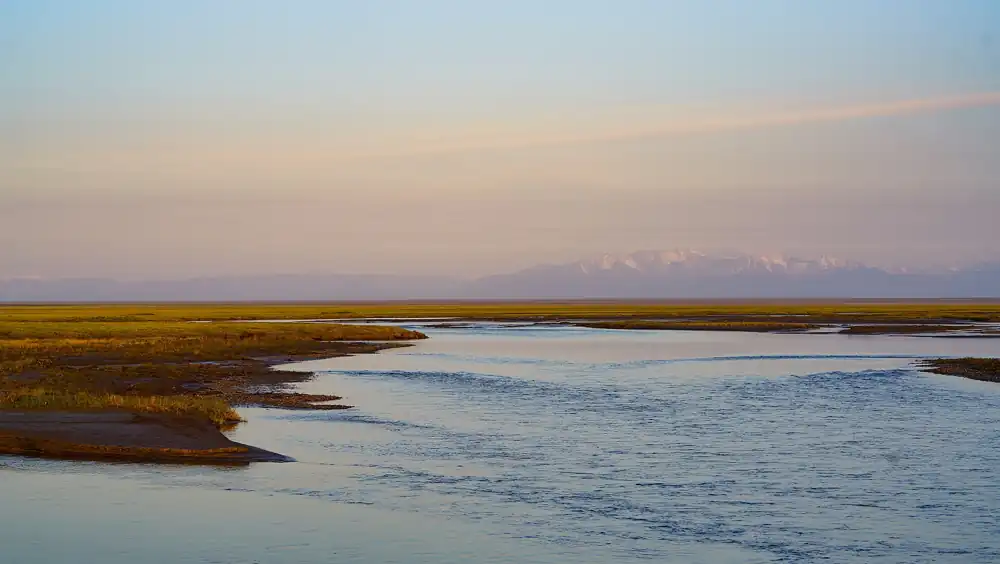
North of the Brooks Range, the land runs from the highest peaks in the Arctic, around Mount Michelson, down wild rivers like the Kongakut and the Firth to a coastal plain where the Porcupine caribou herd comes each spring to calve. It is the largest intact Arctic ecosystem in the country.
It was surveyed as a potential park before it became a refuge, and it has never lost the qualities that drew the surveyors. It deserves recognition equal to its neighbor, Gates of the Arctic.
The history of National Park Campaigns
The Alaska Recreational Resources Survey of the early 1950s focused on the wilderness north of the Brooks Range, and in 1952 the Sierra Club urged Interior Secretary Oscar Chapman to begin an active study for a park. Other conservation groups followed. The campaign ended in the Arctic National Wildlife Range in 1960, which the 1980 Alaska lands law enlarged into the Arctic National Wildlife Refuge.
- Distinct National Park attempts
- 1 (1952 study campaign)
- Other designation attempts
- 2 (1960 wildlife range; 1980 refuge)
Sources
- National Park Service, Suggested Areas Resumes (1957)
- G. Frank Williss, "Do Things Right the First Time" (NPS, 1985)
- Wikipedia, List of proposed National Parks of the United States
- Early 1950s
The Alaska Recreational Resources Survey focuses on the Mount Michelson, Kongakut, and Firth River country.
- September 12, 1952
The Sierra Club writes Interior Secretary Oscar L. Chapman urging an active study; other conservation groups follow.
- December 6, 1960
Interior Secretary Fred Seaton establishes the Arctic National Wildlife Range.
- December 2, 1980
The Alaska National Interest Lands Conservation Act enlarges it and renames it the Arctic National Wildlife Refuge.