- Location
- Alaska
- Current protection
- Cape Krusenstern National Monument (National Park Service)
- Status
- No active campaign
- Tier
- Tier 2 · National Monument
- In the book
- Not featured in Undiscovered America
Why should it be a National Park?
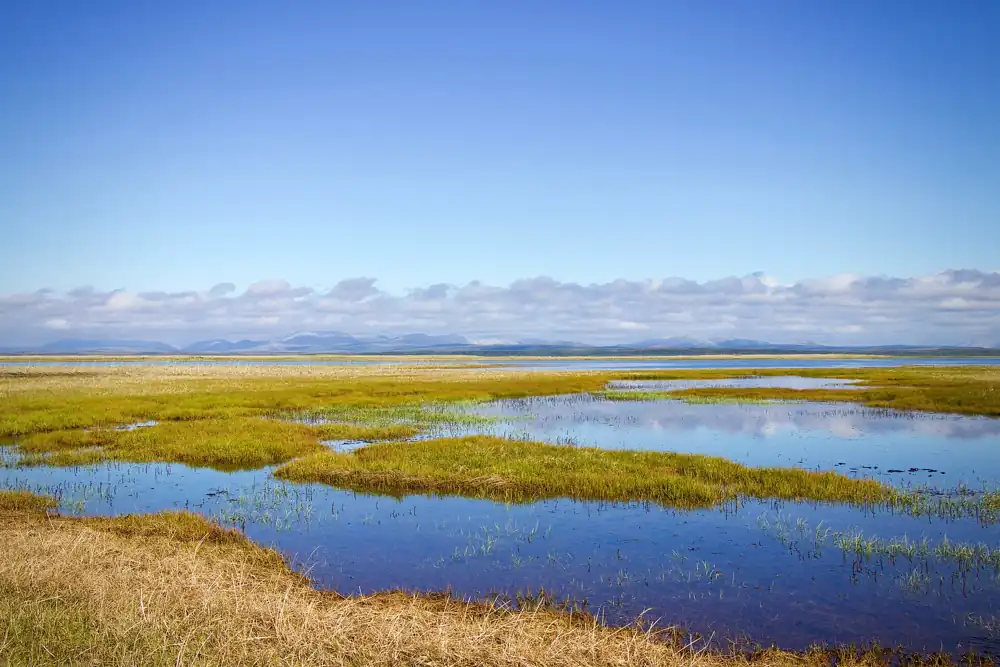
Cape Krusenstern is a coast of beach ridges on the Chukchi Sea, 114 of them laid down one after another as the shoreline grew, each holding the camps of the people who lived there when it was the water's edge. Walk inland from the sea and you walk back through about 9,000 years of Arctic history.
The Iñupiat still hunt and fish here, and the monument protects their way of life alongside the archaeology. It is a national treasure by any measure, and the name should say so.
The history of National Park Campaigns
Like Aniakchak, Cape Krusenstern was written as a National Park in an early version of the 1979 Alaska lands bill. It stayed a national monument, the designation Carter gave it in 1978, when the law passed in 1980.
- Distinct National Park attempts
- 1 (1979, S. 222)
- Other designation attempts
- 1 (1978 and 1980 monument)
Sources
- S. 222, Alaska National Interest Lands Conservation Act of 1979 (96th Congress)
- G. Frank Williss, "Do Things Right the First Time": The National Park Service and the Alaska National Interest Lands Conservation Act of 1980 (NPS, 1985)
- Wikipedia, List of proposed National Parks of the United States
- 1958–1961
Archaeologist J. Louis Giddings excavates the beach ridges and reads their sequence.
- December 1, 1978
Carter proclaims Cape Krusenstern National Monument.
- 1979
S. 222 would make it Cape Krusenstern National Park.
- December 2, 1980
The Alaska National Interest Lands Conservation Act confirms it as a national monument.