- Location
- California
- Current protection
- Golden Gate National Recreation Area, Muir Woods National Monument, Point Reyes NS
- Status
- No active campaign
- In the book
- Featured in Undiscovered America
Why should it be a National Park?
San Francisco is a well-known tourist destination, both for the richness of the city and the natural splendor that surrounds it. The National Park Service protects several tracts of land with natural and historical significance that can be found around and within the city.
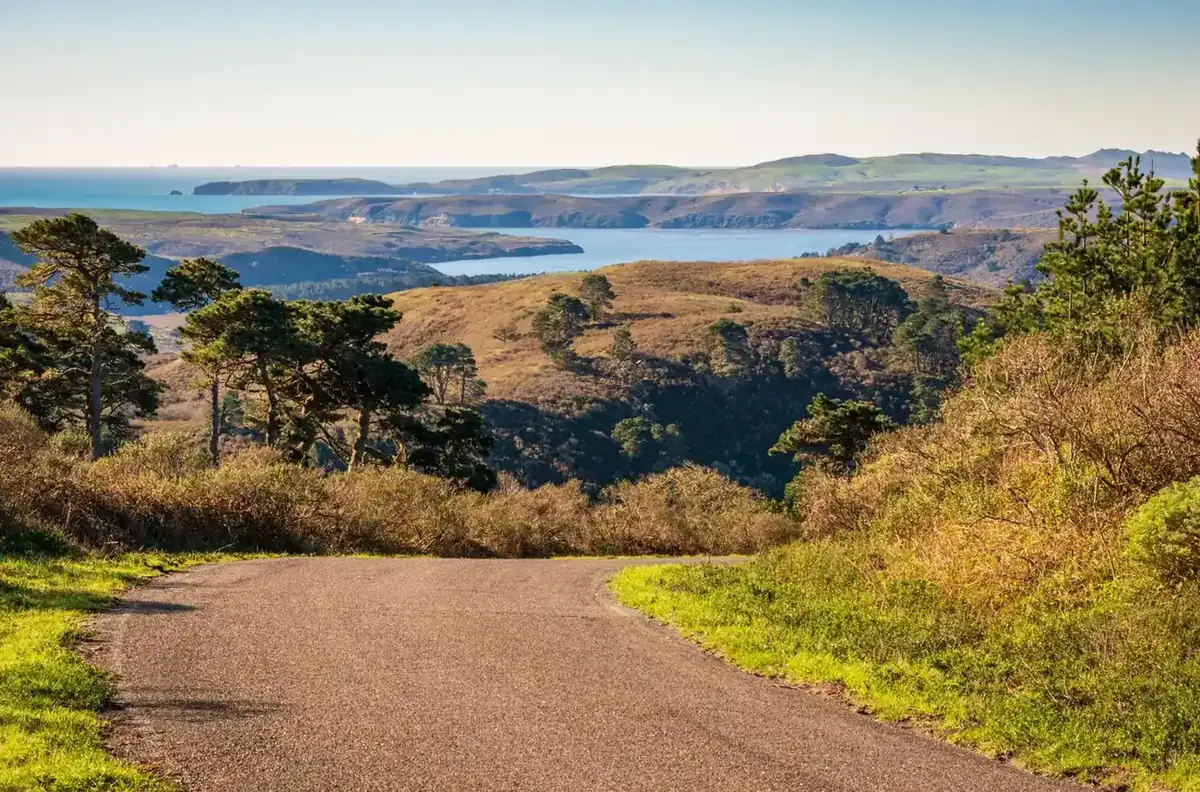
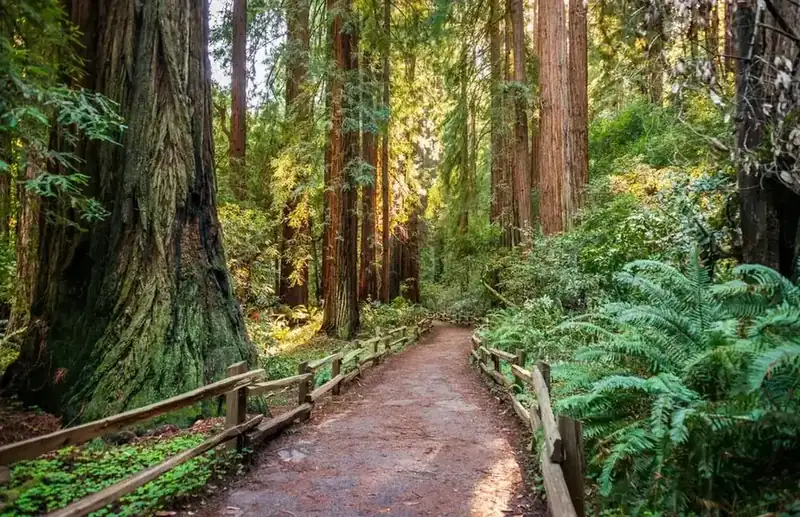
Golden Gate National Recreation Area is the most popular NPS site with 15 million annual visitors. It receives this many tourists because it is an amalgamation of dozens of sites. With two focuses, nature and history, Golden Gate attempts to assemble forts and battlements from several historical periods, Alcatraz Island, Sutro Baths, Point Bonita Lighthouse, the Presidio of San Francisco, and other structures alongside the Marin Headlands and pockets of nature. Neighboring Muir Woods National Monument has one of the grandest redwood forests in the state and Point Reyes National Seashore stretches out along the Pacific Ocean with towering cliffs and rolling hills that allow for exceptional views of the California coast. These lands are a contiguous group of federal lands that tell a combined story of the Golden Gate region.
In 2008, Speaker of the House Nancy Pelosi proposed legislation establishing which would have established a Golden Gate National Park, writing, "Today, I would like to recognize the establishment of the Golden Gate National Parks, which will contain the Muir Woods National Monument, as the 59th National Park."
Since the writing of this legislation four National Parks have been established (Pinnacles, Gateway Arch, Indiana Dunes, and White Sands) leaving the current number at 62.
The Golden Gate parks are home to sites utilized by the Coastal Miwok and Ohlone people, the Spanish missionaries and military, Mexican settlers, Gold Rush prospectors, and Civil War military units. There is also an abundance of plant and animal life in the Parks with over 1,200 identified plant and animal species, including 33 threatened and endangered species.
As natural and historic sites have been added to this park system, the need has grown to recognize the system of parks for what they are, which is one of our nation's great natural treasures. The redesignation and name change was supported by several local organizations, including the Mayor's Office, People for a Golden Gate National Recreation Area, the Golden Gate National Parks Conservancy, the San Francisco Convention and Visitors Bureau, the San Francisco Planning and Urban Research Association, and the National Trust for Historic Preservation. Despite that support, the proposal fell mostly on deaf ears as people rarely understand the differences in land designations, but everyone understands the words 'National Park' when they see them. While her idea may not have made much of an impact, it was the right one.
In 2008, Speaker of the House Nancy Pelosi introduced a bill to assemble several Bay Area National Park sites into "Golden Gate National Parks".
The history of National Park Campaigns
The Golden Gate parklands were assembled in a burst between 1962 and 1972 — Point Reyes National Seashore, Fort Point National Historic Site, and Rep. Phillip Burton's Golden Gate National Recreation Area, born of Amy Meyer's 1971 citizens' coalition and Nixon's "parks to the people" program. From the start Burton called it "a unique National Park reserve," and the Parks Conservancy has branded the complex "Golden Gate National Parks" since the 1980s. The only formal attempt to make the name legal was Speaker Pelosi's 2008 bill, which died after dog-walking and recreation groups objected that it would strip "recreation" from the enabling act.
- Distinct National Park attempts
- 1 (2008 redesignation bill)
- Other designation attempts
- monument 1908; seashore 1962; NHS 1970; NRA 1972 (H.R. 9498 → P.L. 92-589); expansions 1980+
Sources
- Hal Rothman, The Park That Makes Its Own Weather: An Administrative History of Golden Gate National Recreation Area (NPS, 2002)
- H.R. 9498 hearings (1971–72)
- House Report on P.L. 92-589 (1972)
- Amy Meyer with Randolph Delehanty, New Guardians for the Golden Gate (2006)
- H.R. 6305 (110th Cong.) and the July 15, 2008 subcommittee hearing record
- January 9, 1908
Muir Woods National Monument (Roosevelt; William Kent's donation).
- September 13, 1962
Point Reyes National Seashore authorized (Kennedy; Rep. Clem Miller).
- October 16, 1970
Fort Point National Historic Site.
- 1969–71
Alcatraz occupation; Marincello development threat in the Marin Headlands; Nixon's "parks to the people" initiative; the Army's Presidio and Fort Miley decommissioning. (NPS, "Creation of GGNRA")
- January 1971
People for a Golden Gate National Recreation Area founded (Amy Meyer and Ed Wayburn co-chairs), growing from Meyer's protest against a National Archives building at East Fort Miley. (NPS agency timeline; Parks Conservancy)
- June 16, 1971
Rep. Phillip Burton (D-CA) introduces H.R. 9498, an expansive national recreation area with NPS veto power over Presidio development; Burton: "a remarkable opportunity to establish a unique National Park reserve." Hearings in San Francisco August 9, 1971, and Washington May 11–12, 1972. (NPS agency timeline, excerpted from Hal Rothman, The Park That Makes Its Own Weather, 2002)
- July 28, 1972
House subcommittee passes a 20,000-acre "Golden Gate National Urban Recreation Area"; October 11, 1972 — House approves a 34,000-acre GGNRA; October 27, 1972 — P.L. 92-589 signed by Nixon, with $61.61M for land and $58M for development; NPS acquires Alcatraz and Fort Mason the same day.
- 1980
GGNRA expands into San Mateo County (Sweeney Ridge); later additions (Phleger Estate, Rancho Corral de Tierra, Mori Point) push the park past 80,000 acres.
- 1981
Golden Gate National Park(s) Association/Conservancy founded; "Golden Gate National Parks" becomes the branding for the GGNRA–Muir Woods–Point Reyes–Presidio complex.
- June 19, 2008
REDESIGNATION BILL. Speaker Nancy Pelosi introduces H.R. 6305 to rename the GGNRA "Golden Gate National Parks"; her office called the parklands "one of our nation's great natural treasures." Critics noted the bill "strikes every occurrence of the word 'recreation' out of the enabling legislation"; Bay Area dog owners organized against it. House Natural Resources subcommittee hearing July 15, 2008; no further action. (National Parks Traveler, July 2008; pelosi.house.gov)
- 2015
SF Examiner op-ed, "Stop calling it 'Golden Gate National Parks,'" in the dog-management fight — evidence the naming question remained live.