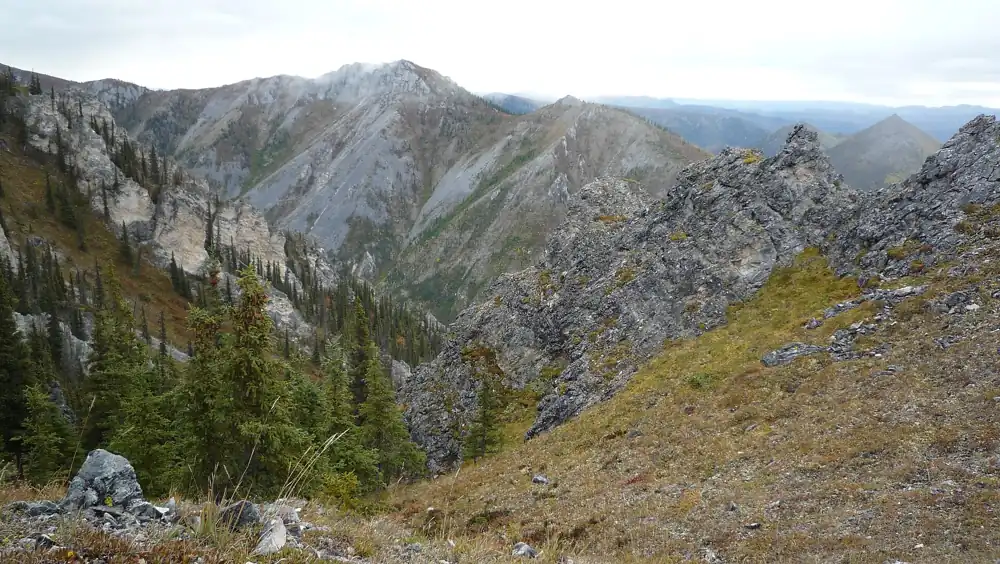
- Location
- Alaska
- Current protection
- Yukon–Charley Rivers National Preserve (National Park Service)
- Status
- No active campaign
- Tier
- Tier 2 · National Monument
- In the book
- Not featured in Undiscovered America
Why should it be a National Park?
The Charley River runs clear and wild out of the uplands into the Yukon, one of the great rivers of the continent, which crosses the preserve for more than a hundred miles. Peregrine falcons nest on the bluffs above the water, and the banks hold the cabins, roadhouses, and dredges of the gold-rush years.
It is where the story of the Klondike meets true wilderness, and it deserves the same standing as Denali and Wrangell–St. Elias.
The history of National Park Campaigns
Yukon–Charley was drafted as a National Park in the early 1979 version of the Alaska lands bill. It was established in 1980 as a national preserve.
- Distinct National Park attempts
- 1 (1979, S. 222)
- Other designation attempts
- 2 (1978 monument; 1980 preserve)
Sources
- S. 222, Alaska National Interest Lands Conservation Act of 1979 (96th Congress)
- G. Frank Williss, "Do Things Right the First Time": The National Park Service and the Alaska National Interest Lands Conservation Act of 1980 (NPS, 1985)
- Wikipedia, List of proposed National Parks of the United States
- 1898
Stampeders bound for the Klondike and the Alaska gold fields travel the Yukon past the future preserve.
- December 1, 1978
Carter proclaims Yukon–Charley National Monument.
- 1979
S. 222 would make it Yukon–Charley National Park.
- December 2, 1980
The Alaska National Interest Lands Conservation Act establishes Yukon–Charley Rivers National Preserve; the Charley becomes a wild river.