- Location
- Colorado/Kansas/Oklahoma/Texas/New Mexico
- Current protection
- Comanche, Cimarron, and Kiowa–Rita Blanca national grasslands (U.S. Forest Service)
- Status
- Advocacy by the New National Parks campaign; no bill
- Tier
- Tier 1 · National Park
- In the book
- Not featured in Undiscovered America
Why should it be a National Park?
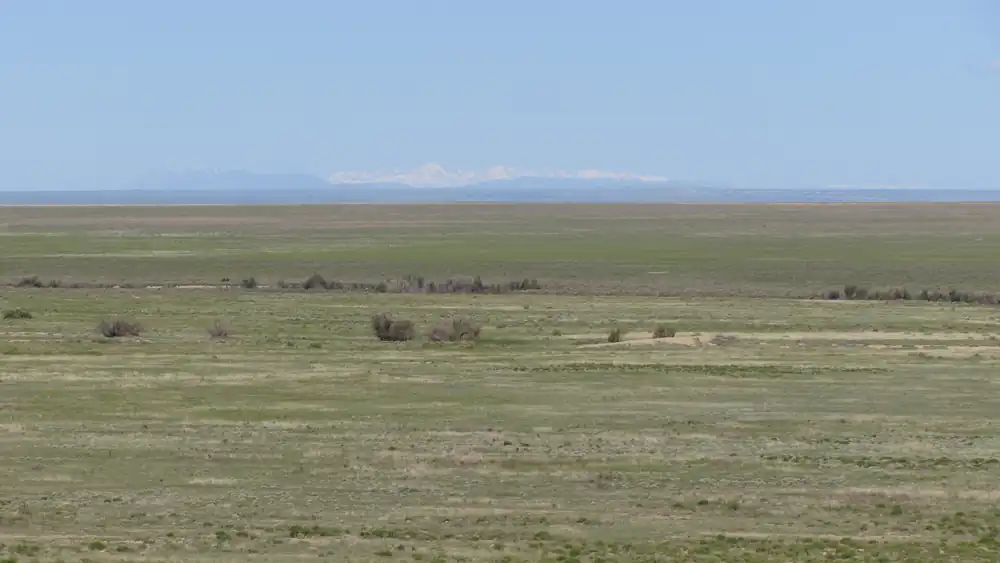
Where Colorado, Kansas, Oklahoma, Texas, and New Mexico meet lies the heart of the southern shortgrass prairie, the ground zero of the 1930s Dust Bowl. The government bought the ruined farms and let the grass return, and today the national grasslands hold canyons with the largest dinosaur tracksite in North America at Picketwire, Native rock art, and miles of Santa Fe Trail ruts.
No National Park protects the shortgrass prairie. A park here would tell one of the great American stories, the land broken and healed, while protecting the pronghorn, prairie chickens, and grasslands that came back.
The history of National Park Campaigns
The federal government acquired the Dust Bowl's abandoned farms in the 1930s and made them national grasslands in 1960. Conservationists proposed a protected area for the Comanche and Cimarron grasslands in 2006, and in 2021 the New National Parks campaign proposed a one-million-acre Shortgrass Prairie National Park.
- Distinct National Park attempts
- 1 (2021 New National Parks campaign proposal)
- Other designation attempts
- 2 (1960 national grasslands; 2006 conservation alternative)
Sources
- Michael Kellett, "A Modest Proposal: We Need More National Parks," Sierra (August 17, 2021)
- Forest Guardians, Conservation Alternative for the Cimarron and Comanche National Grasslands (2006)
- 1930s
The Resettlement Administration buys failed Dust Bowl farms and begins restoring the grass.
- 1960
The lands become the Comanche, Cimarron, and Kiowa–Rita Blanca national grasslands.
- March 2006
Forest Guardians publishes a conservation alternative for the Cimarron and Comanche national grasslands.
- August 17, 2021
The New National Parks campaign proposes a one-million-acre Shortgrass Prairie National Park.